
Sea Freight
China Port Congestion Continues Following August Typhoons
China’s port network continues to face significant disruption following a series of typhoons that affected port operations throughout August
Sarah Woodrow
September 16, 2026
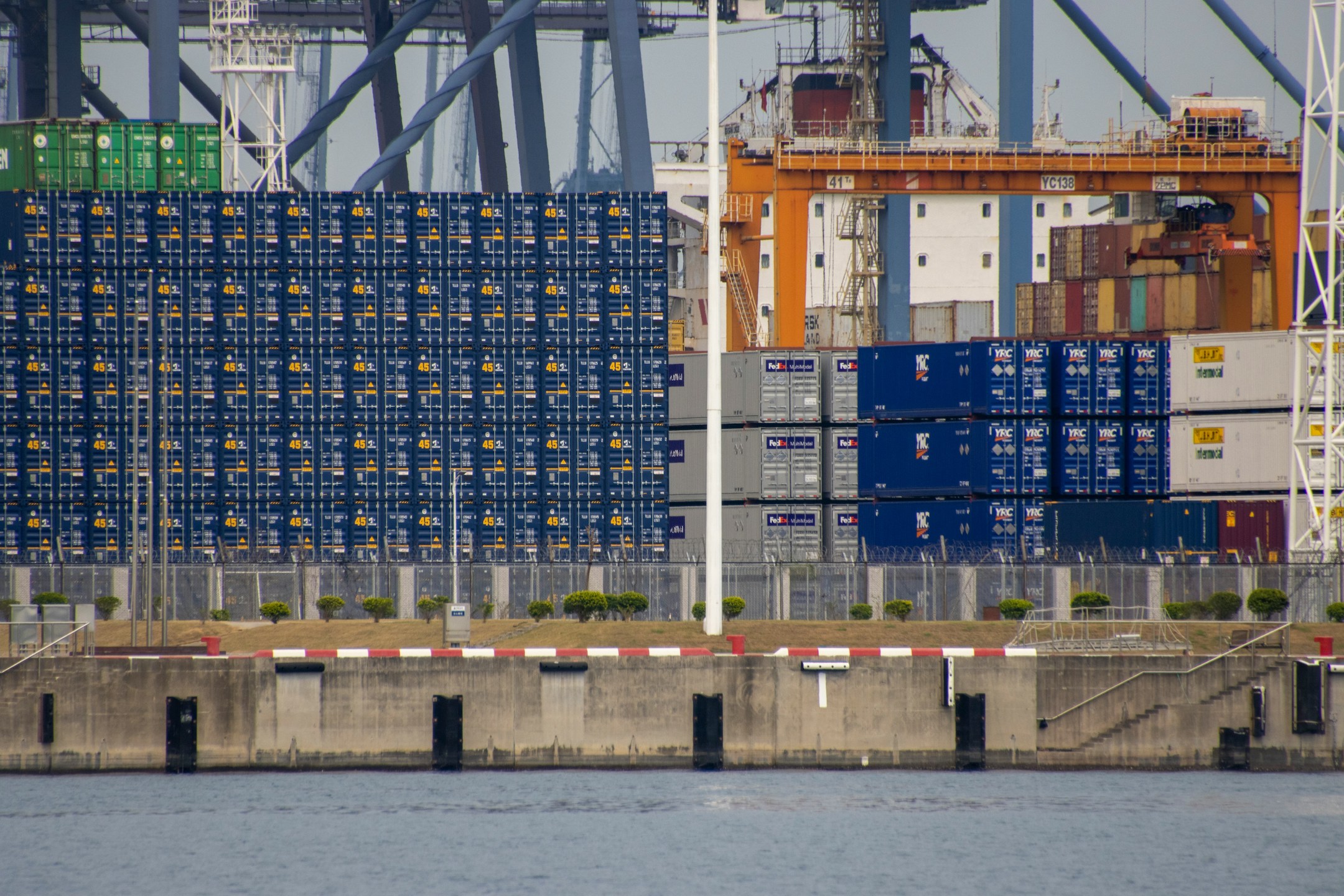
China’s port network continues to face significant disruption following a series of typhoons that affected port operations throughout August. The severe weather conditions resulted in delays across a number of major ports and contributed to an estimated combined throughput shortfall of approximately 730,000 TEU.
The impact of these disruptions is continuing into September, with congestion remaining a major concern for shipping lines, freight forwarders and businesses moving cargo through China. Although port operations are gradually recovering, the accumulated backlog from August continues to place pressure on terminals and surrounding transport networks.
Vessel delays and port congestion
One of the most significant challenges currently affecting the market is vessel berthing delays. For certain deep-sea vessels, waiting times to berth can reach 7–8 days or even longer, depending on the port, vessel schedule and level of congestion at the time of arrival.
These delays are creating a knock-on effect throughout the wider logistics network. As vessels arrive later than planned and terminals work through accumulated cargo, schedules can become increasingly difficult to maintain. This can result in further changes to estimated arrival and departure times, making it more challenging for businesses to plan their shipments accurately.
Supply-chain disruption expected to continue
The current market assessment suggests that the disruption will take time to fully work through the system. While conditions are expected to improve gradually, full supply-chain normalisation is not currently expected until late October.
The accumulated backlog means that even as weather conditions stabilise and port operations return closer to normal, terminals and shipping networks will need additional time to clear outstanding cargo and restore regular schedules.
The National Golden Week holiday in early October is expected to be an important period for terminals as they work through the existing backlog. With cargo being cleared and terminal capacity gradually becoming available, vessel waiting times are expected to ease progressively.
However, the recovery is likely to be gradual rather than immediate. Businesses should therefore continue to allow additional time when planning shipments through China during September and October.
What does this mean for your shipments?
For businesses importing from or exporting to China, the current market conditions mean that additional flexibility may be required when planning shipments. Vessel schedules can change at short notice, while container availability and inland connections may remain unpredictable in certain locations.
At KTL Europe, we understand how important reliable supply-chain planning is, particularly when market conditions are challenging. Our team is closely monitoring the situation across China and keeping in regular contact with our shipping and logistics partners to help our customers navigate the current disruption.
If you have cargo moving through China, we can help you review your upcoming shipments, consider alternative options where available and provide the latest information on potential delays. By planning ahead and allowing additional time within your supply chain, we can help minimise the impact of ongoing congestion wherever possible.
How KTL Europe can help
At KTL Europe, our role goes beyond simply arranging the movement of your cargo. We work closely with our customers to provide practical freight solutions and keep them informed when market conditions change.
With ongoing congestion across Chinese ports, early planning is more important than ever. If you have upcoming shipments from China, are concerned about vessel delays or need advice on your current freight movements, our team is here to help.
Contact KTL Europe today to discuss your requirements and find the right freight solution for your business.
We will continue to monitor the situation across China and provide further updates as conditions develop.
More News...

.jpg)


